What're your thoughts about How Hard Water Affects Your Plumbing?
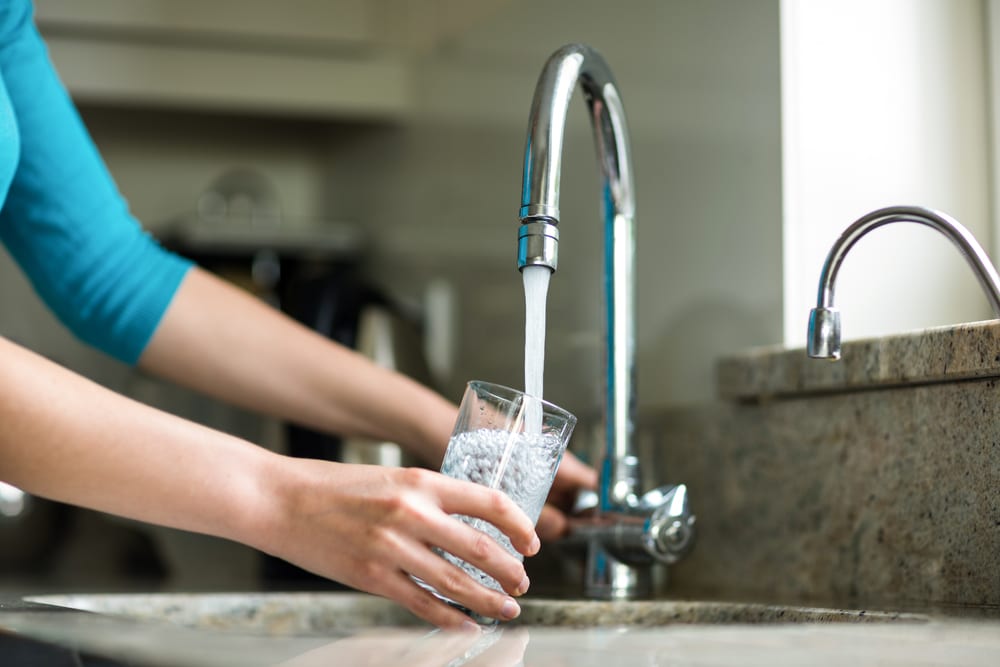
Tough water, a common issue in numerous families, can have considerable effect on plumbing systems. Understanding these results is crucial for maintaining the long life and efficiency of your pipes and components.
Intro
Tough water is water which contains high levels of dissolved minerals, mostly calcium and magnesium. These minerals are harmless to human wellness but can damage pipes facilities with time. Let's explore exactly how hard water affects pipes and what you can do regarding it.
Effect on Pipes
Tough water affects pipes in several harmful means, mostly via range build-up, reduced water circulation, and raised deterioration.
Range Buildup
One of one of the most typical problems brought on by difficult water is scale accumulation inside pipelines and components. As water streams with the pipes system, minerals precipitate out and abide by the pipe wall surfaces. Over time, this accumulation can narrow pipe openings, bring about lowered water circulation and increased pressure on the system.
Minimized Water Circulation
Natural resources from difficult water can progressively reduce the size of pipes, limiting water flow to faucets, showers, and home appliances. This reduced circulation not just affects water pressure but likewise raises energy usage as home appliances like hot water heater must function tougher to provide the very same quantity of warm water.
What is Hard Water?
Tough water is characterized by its mineral material, particularly calcium and magnesium ions. These minerals get in the water as it percolates via limestone and chalk down payments underground. When tough water is warmed or left to stand, it tends to develop scale, a crusty buildup that sticks to surface areas and can trigger a range of issues in plumbing systems.
Deterioration
While hard water minerals themselves do not cause rust, they can worsen existing deterioration problems in pipelines. Range buildup can trap water versus metal surfaces, speeding up the rust procedure and potentially resulting in leakages or pipe failure with time.
Device Damage
Beyond pipes, hard water can also damage household devices attached to the supply of water. Appliances such as hot water heater, dishwashing machines, and washing equipments are especially susceptible to range accumulation. This can decrease their effectiveness, boost maintenance prices, and shorten their life-span.
Prices of Hard Water
The monetary effects of tough water extend past pipes fixings to include raised power costs and early appliance replacement.
Repair Prices
Dealing with hard water-related problems can be costly, particularly if scale buildup causes pipeline or device failure. Regular upkeep and early detection of problems can help minimize these costs.
Routine Maintenance
Frequently flushing the plumbing system and evaluating for range build-up can help prevent costly fixings down the line. Periodic checks of appliances for indicators of scale buildup are likewise crucial.
Selecting the Right Fixtures
Choosing pipes components and home appliances designed to stand up to hard water problems can minimize its results. Look for items with corrosion-resistant materials and easy-clean functions to minimize maintenance needs.
Power Efficiency
Range buildup lowers the effectiveness of hot water heater and various other appliances, causing higher power usage. By dealing with difficult water concerns promptly, house owners can enhance power effectiveness and reduce energy expenses.
Testing and Treatment
Checking for hard water and implementing ideal treatment actions is vital to reducing its effects on pipes and home appliances.
Water Conditioners
Water conditioners are one of the most usual service for treating tough water. They work by exchanging calcium and magnesium ions with salt or potassium ions, efficiently lowering the firmness of the water.
Various Other Treatment Alternatives
In addition to water conditioners, other treatment choices consist of magnetic water conditioners, reverse osmosis systems, and chemical additives. Each technique has its benefits and suitability depending on the extent of the difficult water problem and house demands.
Safety nets
Protecting against difficult water damage requires a mix of positive upkeep and thoughtful fixture selection.
Final thought
In conclusion, the influences of tough water on pipelines and devices are considerable yet convenient with appropriate recognition and preventive measures. By understanding just how hard water impacts your plumbing system and taking proactive steps to mitigate its impacts, you can expand the life of your pipes, boost energy efficiency, and minimize upkeep prices over time.
The Impact of Hard Water on Your Plumbing System
Install a Water Softener
One of the most effective ways to combat hard water is by installing a water softener. These devices work by removing the excess minerals from your water supply, preventing them from building up in your pipes and appliances. According to the Water Quality Association, water softeners can extend the lifespan of your plumbing system and improve the efficiency of your appliances. Garon T Plumbing, Heating, and Air Conditioning offers professional water softener installation services to help you protect your plumbing system from hard water damage.
Flush Your Water Heater Regularly
Hard water can cause sediment buildup in your water heater, reducing its efficiency and potentially causing damage. We recommend flushing your water heater at least once a year to remove sediment and maintain optimal performance.
Schedule Regular Plumbing Inspections
Regular plumbing inspections can help identify and address hard water-related issues before they become major problems. A professional plumber can assess your plumbing system, identify areas of concern, and recommend the appropriate steps to prevent damage and maintain optimal performance. Garon T Plumbing, Heating, and Air Conditioning offers comprehensive plumbing inspections and maintenance services to help you protect your investment and keep your plumbing system running smoothly.
In conclusion, hard water can have a significant impact on your plumbing system, leading to costly repairs and replacements. By understanding the effects of hard water, installing a water softener, regularly cleaning and maintaining your fixtures, flushing your water heater, and scheduling regular plumbing inspections, you can protect your plumbing system from hard water damage. Contact Garon T Plumbing, Heating, and Air Conditioning today to learn more about our services and how we can help you maintain a healthy, efficient plumbing system.
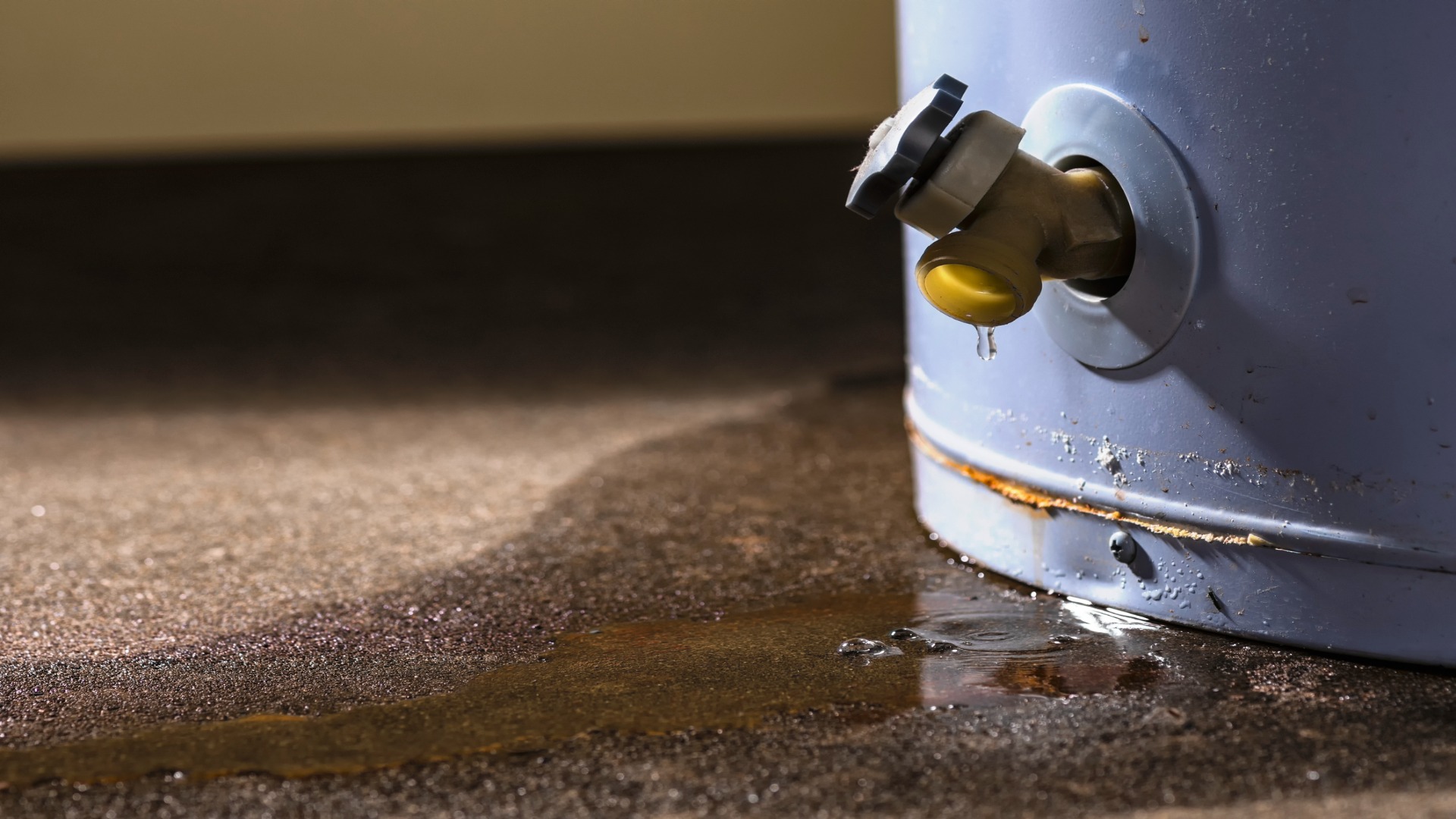
We hope you enjoyed our part on How to Fix Hard Water. Thanks for taking the time to browse our piece. Appreciated our piece? Please quickly share it. Help somebody else find it. Thanks for taking the time to read it.
Give Me A Quote!